How to Check Content Differences Between Adult and General Versions of a Webtoon
Finding two versions of the same webtoon can be confusing, especially when one is labeled Adult, Mature, General, or All Ages. At first glance, both versions often look nearly identical. The artwork, chapter titles, and overall storyline may appear unchanged, making it difficult to tell whether you’re reading an edited edition or the creator’s original release.
The easiest way to compare them is to understand what platforms usually edit, how age ratings work, and how official publishers identify different editions. Rather than assuming every mature version contains extra scenes or every general version removes major story content, it helps to verify exactly what has been changed before deciding which edition to read.

Confirm That Two Official Versions Actually Exist
Make sure the webtoon has more than one officially published version. Some readers assume a series has both a general and an adult edition simply because it carries an age rating, but that is not always the case.
Many platforms publish only one version of a series with an appropriate age classification. Others release separate editions to comply with different platform policies, regional regulations, or app store requirements. Tapas, for example, may list both an All Ages edition and a Mature edition of the same title, while the mobile app only displays the All Ages version because mature titles are unavailable there.
Check these details before comparing chapters:
- The series title and subtitle.
- The age rating shown on the series page.
- Content warnings before the first episode.
- Publisher or creator notes explaining that another edition exists.
- Whether the platform lists separate entries for the same series.
If only one official version is available, differences you see on unofficial websites may come from fan edits, incomplete uploads, or older releases rather than an officially edited edition.
Distinguish Between The Most Commonly Edited Sections
When two official versions exist, the differences are usually concentrated in specific scenes rather than spread evenly throughout the story.
The first area to compare is graphic violence. Platforms frequently adjust scenes involving blood, severe injuries, torture, or graphic deaths to match their content rating guidelines. Instead of removing an entire chapter, editors often crop a panel, change the camera angle, or replace a close-up image with a less graphic version. WEBTOON’s published rating standards specifically consider the level of violence and graphic imagery when assigning age ratings.
Another area worth comparing is how intimate scenes are presented. Instead of removing an entire chapter, publishers often edit only the panels that exceed a platform’s content guidelines. Depending on the release, this may involve replacing a panel, changing the framing, obscuring specific details, or shortening a sequence while keeping the surrounding story intact. Because each platform applies its own content standards, the amount of editing can vary significantly from one official version to another.
Let’s Examine Whether The Plot Has Changed or It’s Just The Presentation
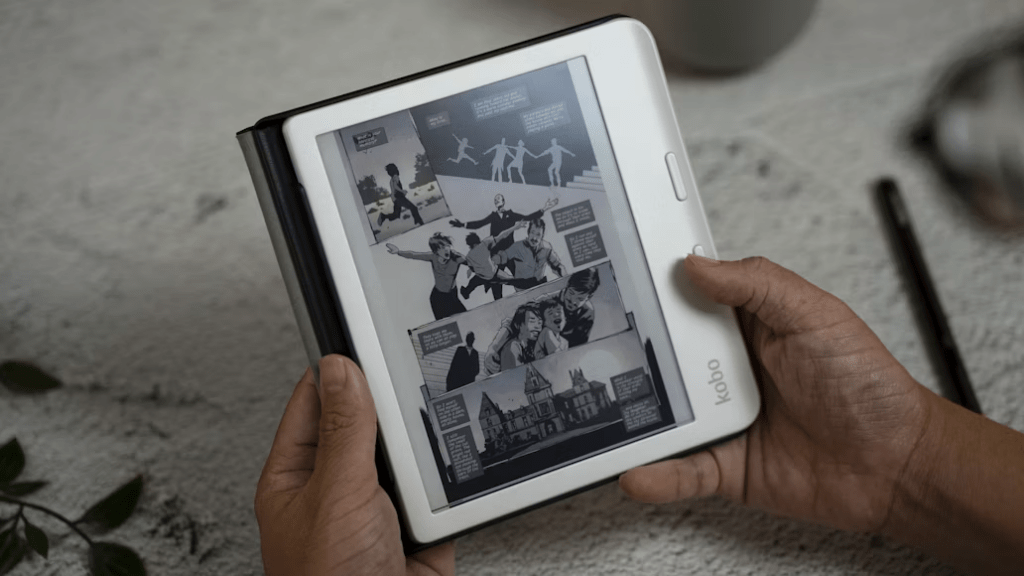
One of the biggest misconceptions is that the general version always tells a different story. In reality, many official edits focus on how a scene is presented rather than what happens.
For example, an important confrontation may still occur in both versions, but the mature edition shows the full sequence while the general edition skips directly to the aftermath. Likewise, a conversation may contain milder wording without changing the final outcome of the scene.
That said, you should avoid assuming this is true for every webtoon. Some publishers edit only a handful of panels, while others shorten dialogue, remove entire scenes, or adjust pacing to meet local publishing standards. The extent of editing depends on the platform, licensing agreement, regional regulations, and the publisher’s editorial policies rather than on a universal rule.
How to Tell Which Version You Are Reading
The safest way to identify a version is to rely on official information rather than visual guesses.
Many publishers clearly indicate the intended audience through an age rating, warning page, or content notice. WEBTOON, for example, categorizes series using ratings such as All Ages, Teen, Young Adult, and Mature, with each category based on the level of violence, nudity, sexual themes, profanity, and other sensitive content.
You can usually identify the edition by checking:
- The age rating displayed on the series page.
- Whether the title includes labels such as Mature or All Ages.
- Content warnings shown before opening an episode.
- Notes from the publisher explaining that this is an edited edition.
- Whether another official version appears under the same title.
Do not rely solely on cover images or thumbnails. Two official editions may share the same promotional artwork even though individual episodes contain different edits.
The Version That Suits Your Reading Preferences
Neither version is automatically better. The right choice depends on what you expect from the reading experience.
If you only want to follow the story, the general version is often enough. If you want to compare the creator’s original presentation with edited scenes, look for the official mature version where it is legally available.
When comparing editions, always use official platforms. Unofficial uploads sometimes combine pages from different releases, use fan translations, or omit edited chapters altogether, making it difficult to determine which version reflects the publisher’s intended release.
FAQ
Does every mature webtoon have a general version?
No. Many webtoons are released in only one official edition. Separate general and mature versions are created only when the publisher or platform decides to distribute different editions for different audiences or regions.
Can the general version remove important story details?
It can, but not always. Some series only edit artwork, while others also modify dialogue or shorten specific scenes. The amount of editing depends on the publisher and the platform rather than a universal standard.
Why do different platforms show different versions of the same webtoon?
Different platforms follow different content policies, age-rating systems, licensing agreements, and regional regulations. Because of this, one service may publish a mature edition while another distributes an edited version for a broader audience.
Can two official platforms have different content even if the chapter numbers match?
Yes. Two official publishers may distribute different editions of the same chapter if they follow different age-rating policies or regional publishing requirements. Comparing the publisher’s notes and the platform’s age rating is the most reliable way to determine whether you are reading different official versions.